
Work — Marshall
Marshall.
Brand positioning, 2013 - present. Led by Gellan Watt.
marshall.com ↗01 — The situation
Jim Marshall, the Father of Loud, died in 2012. His brand was one of the most famous in music, and new players weren't choosing it. To a generation that wanted to play, experiment and record on a laptop, Marshall meant three things they didn't want: rock, analogue and loud. It was your dad's amp.
02 — What everyone said
Amp brands talked to guitarists about tone, valves and volume, and Marshall talked loudest. New players were choosing cooler, fresher names instead: Orange, and Blackstar, a brand started by former Marshall engineers who wanted to build what Marshall wouldn't. Marshall wasn't losing to strangers. It was losing to its own blind spot.
03 — Where we put them
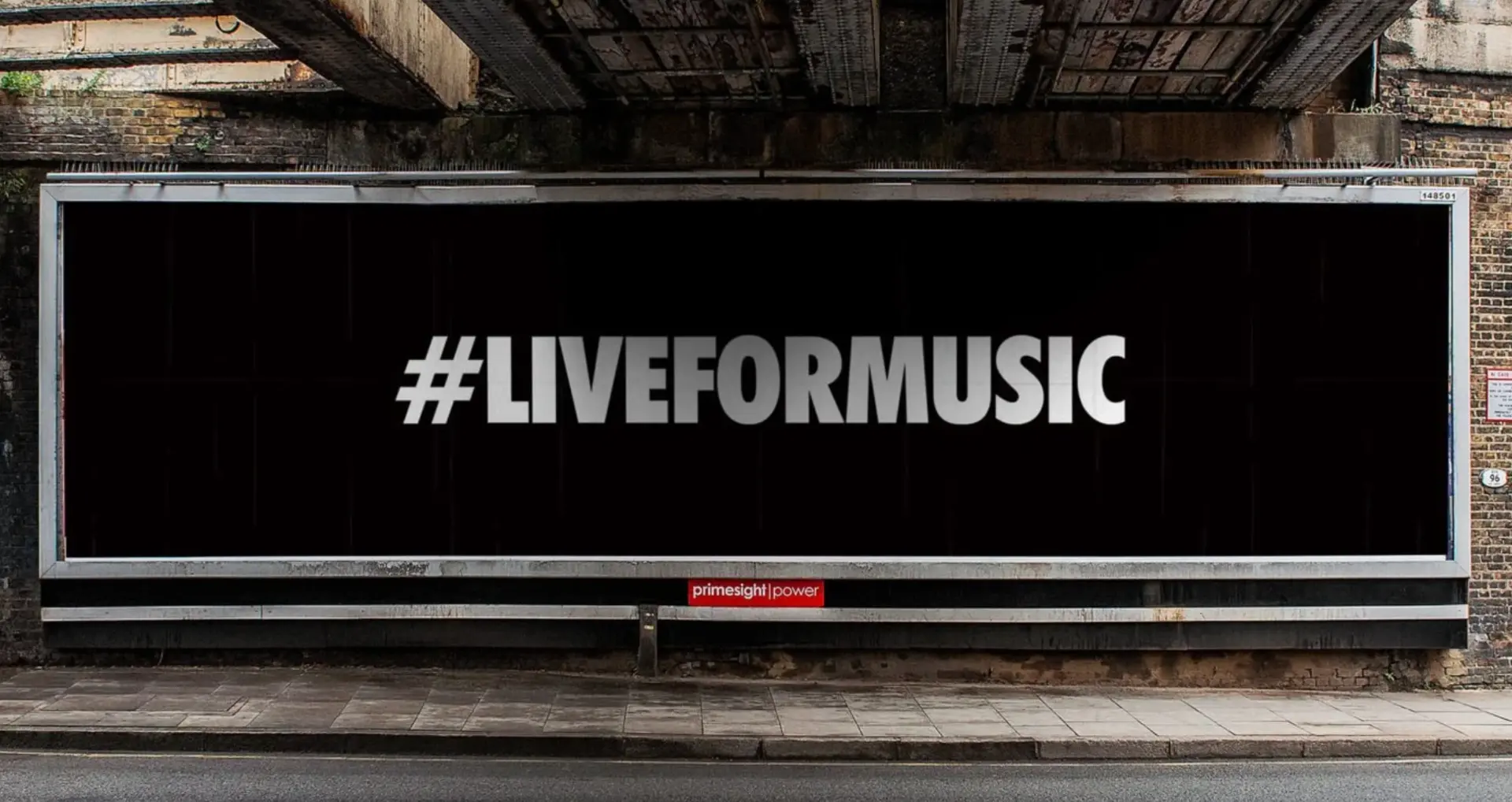
#LIVEFORMUSIC
From amp brand to music lifestyle brand. The player, the headphone buyer and Marshall itself share one thing, and it isn't rock or volume: they all live for music. That let the logo travel onto products Jim Marshall never made, and turned the Father of Loud from a limit into the proof.
04 — The sacrifice
Letting go of the idea that Marshall is an analogue amp company. Some saw it as abandoning the heritage. It was the opposite. The heritage was never the problem; how narrowly it was used was. #LIVEFORMUSIC carried it further than the amp ever could.
05 — What it changed
#LIVEFORMUSIC has carried the brand from 2013 to today. Marshall went digital, launching CODE, its app-controlled modelling amps, in 2016. The lifestyle business grew until, in 2023, it merged with the amp company to form Marshall Group, with revenues over $360 million. In 2025 the group was valued at €1.1 billion.
The products came from Marshall and its licensing partner. What the position gave them was one brand big enough to hold both.